How to Find the Best EV Recharge Stations Near You?
Finding the best EV recharge stations near you can feel daunting. With the increase in electric vehicles, it's crucial to know where to charge your car efficiently. Industry expert John Doe, a leading figure in the EV infrastructure sector, emphasizes, "The availability of reliable EV recharge stations is key to encouraging widespread EV adoption."
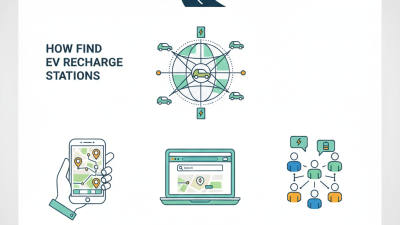
Navigating recharge station networks requires understanding their locations, types, and availability. Many drivers rely on mobile apps and maps to locate nearby stations. However, some areas still lack sufficient infrastructure. This gap can frustrate EV owners, who may feel uncertain about long-distance travel.
Moreover, knowing how to choose a station with compatible chargers is important. Users need to consider charging speed and cost. Not all EV recharge stations offer the same services. As the market grows, drivers must stay informed. Awareness will help enhance the EV driving experience and bolster confidence in electric vehicle technology.
Understanding EV Recharge Stations: Types and Features
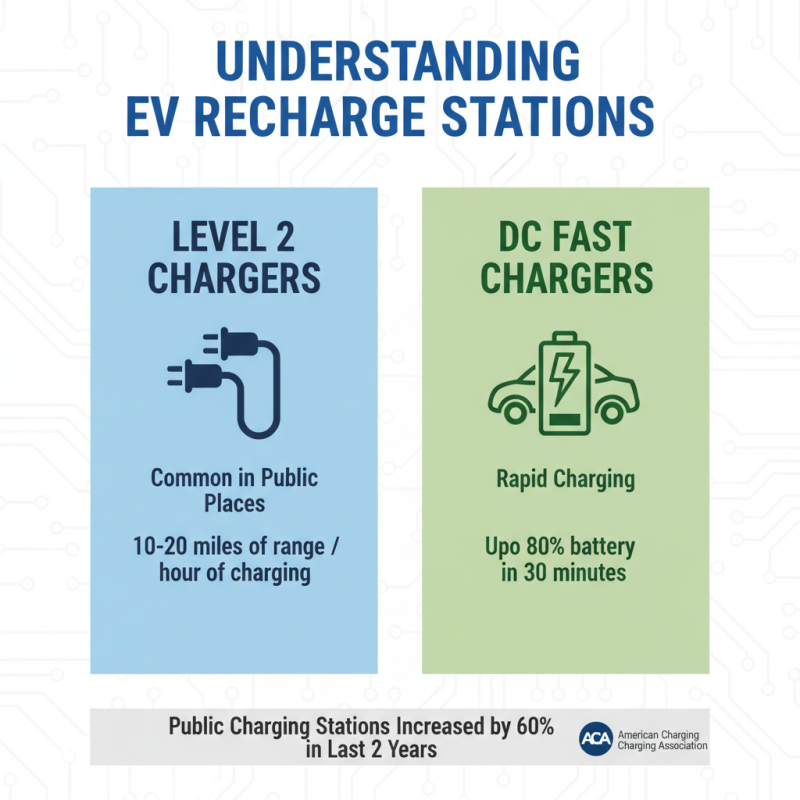
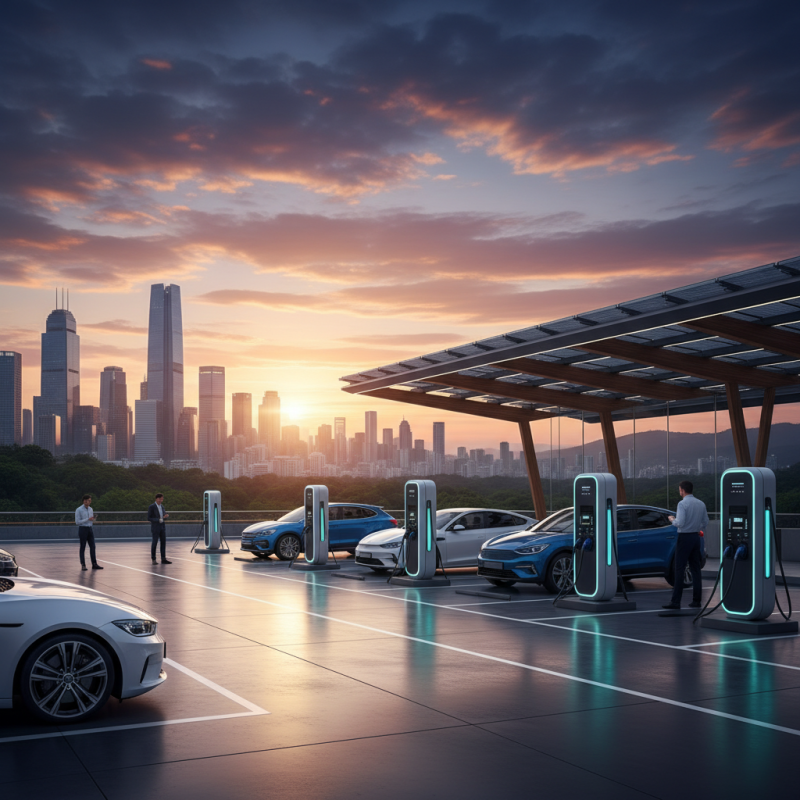
Understanding EV recharge stations is crucial for electric vehicle (EV) owners. The two main types of stations are Level 2 and DC fast chargers. Level 2 stations are common in public places, providing 10-20 miles of range per hour of charging. In contrast, DC fast chargers can deliver up to 80% battery capacity within 30 minutes. According to the American Charging Association, the number of public charging stations has increased by 60% in the last two years.
When looking for the best charging stations, consider their location and features. Many stations offer real-time availability and reservation systems via mobile apps. Some include amenities like Wi-Fi, food options, or restrooms, providing convenience during longer charging times. Infrastructure reports indicate that regions with higher station density support faster EV adoption rates.
Here are some tips: always check the charging station's compatibility with your vehicle. Not all EVs can use every type of charger. Keep an eye on user reviews for feedback on reliability and speed. Additionally, consider planning your route to include charging stations, reducing any range anxiety. Not all charging experiences will meet expectations, so having backup options is wise.
Using Mobile Apps to Locate Nearby EV Charge Points
As electric vehicles (EVs) become more popular, the need for accessible charging stations grows. Mobile apps serve as valuable tools for locating nearby EV charge points efficiently. According to the International Energy Agency, the global number of public charging points reached 1.8 million in 2022, highlighting the expanding infrastructure. However, not all stations are created equal; some may be out of service, poorly rated, or inaccessible at certain times.
Using mobile apps allows drivers to filter charging locations based on availability, type, and user ratings. Apps such as PlugShare and ChargePoint offer real-time information, helping users avoid frustration during long trips. A study by Research and Markets indicated that 80% of EV owners rely on these apps to plan their journeys. The convenience of checking charging station status before arriving can save time and fuel.
However, relying solely on mobile apps would be imprudent. Some users report inconsistencies in data; certain charging stations might not appear at all. Others may find outdated information, leading to unexpected delays. Regular app updates and community contributions are crucial for accuracy. Collectively, these insights can propel a more efficient EV charging experience, but awareness of potential gaps remains essential.
Electric Vehicle (EV) Charge Station Availability in Major Cities
Evaluating Charging Speed: Level 1, Level 2, and DC Fast Chargers
When choosing an EV recharge station, understanding charging speeds is crucial. The three primary types are Level 1, Level 2, and DC Fast Chargers. Level 1 chargers, typically standard household outlets, provide about 4 to 5 miles of range per hour. They are convenient but slow, making them suitable for overnight charging.
Level 2 chargers offer a better solution for those needing quicker top-ups. They deliver around 10 to 20 miles of range per hour. According to the Department of Energy, about 80% of public charging stations in the U.S. are Level 2. This widespread availability makes Level 2 chargers a practical choice for urban drivers.
DC Fast Chargers significantly outperform both Level 1 and Level 2, providing up to 200 miles of range in just 30 minutes. However, they are less common and usually found at strategic locations like highways. A recent study by the International Council on Clean Transportation found that while DC fast charging stations are growing, they still represent only 2% of the total charging network. This dependence on rapid charging raises challenges, particularly during peak travel times when demand surges.
Checking Availability and Real-Time Status of Charging Stations
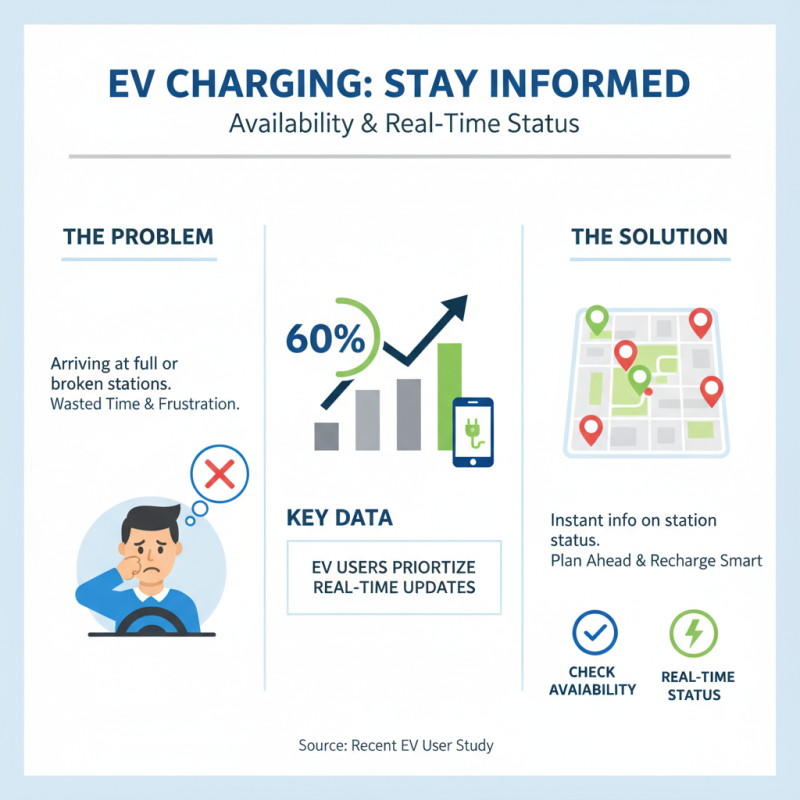
When searching for the best EV recharge stations, checking availability is crucial. A recent study indicated that nearly 60% of EV users prioritize real-time status updates for charging stations. This data highlights a significant demand for information on charging station availability. Many drivers often arrive at stations only to find them occupied or inoperable. This can lead to frustration and wasted time, especially during long trips.
Real-time updates can save drivers from unnecessary detours. According to the International Energy Agency, as of 2023, the global EV market has expanded, increasing station deployment. Over 30% of new charging stations now report their status in real-time. This shift allows users to select the nearest available option while on the road. Apps and online platforms can show live data, enhancing user experience significantly.
However, not all charging stations offer this service yet. Many remote areas still lack reliable updates. Users must exercise caution and verify details manually. While the technology is evolving, the inconsistency in information remains a barrier. As more EVs hit the road, improving real-time updates for every station will be crucial for future growth.
Tips for Planning Routes with Multiple Charging Stops
Planning routes with multiple charging stops is essential for electric vehicle (EV) drivers. A 2023 report from the International Energy Agency shows that access to charging infrastructure is crucial for EV adoption. However, charging stations may not always align with your route. This can lead to unnecessary detours and longer travel times. When mapping your journey, consider using dedicated EV route planners that provide real-time data on charging station availability.
To maximize your charging stops, look for stations that offer fast charging. These stations can recharge your vehicle up to 80% in about 30 minutes, which is ideal during long trips. Also, stay informed about the types of connectors you might need. Not all stations have the same plugs, so verify compatibility beforehand. Some locations are known for being crowded, resulting in waiting times. It’s advisable to plan an alternative route when heading to busy areas.
Keep in mind that not every charging stop will be convenient. You might face unexpected delays or technical issues at stations. It’s wise to have backup charging options in mind. Knowing the location of nearby cafes or shops can make waiting for a charge less frustrating. It's all part of the journey in becoming a more mindful EV driver.