Top 10 Ac Ev Chargers in China for Global Buyers?
China's electric vehicle market is booming, spurred by government policies and growing consumer demand. As a result, the market for AC EV Chargers has expanded significantly. According to a recent report by the International Energy Agency (IEA), China accounts for over 50% of the world's electric vehicle sales in 2023. This highlights the importance of robust charging infrastructure in the region.
Industry expert Dr. Li Wei, a leading figure in electric mobility solutions, states, "The future of transportation depends on reliable AC EV Chargers." His insight underscores the critical role these chargers play in supporting EV adoption. Buyers from around the globe are increasingly interested in the best options available.
However, navigating the vast array of AC EV Chargers can be challenging. Various brands and models claim to offer the best features. It’s essential for buyers to conduct thorough research. Pricing, efficiency, and compatibility are key factors to consider. There’s no one-size-fits-all solution, and personal preferences may lead to different choices. This complexity makes it crucial for global buyers to rely on trustworthy information and expert guidance.
Overview of the Electric Vehicle Charging Market in China
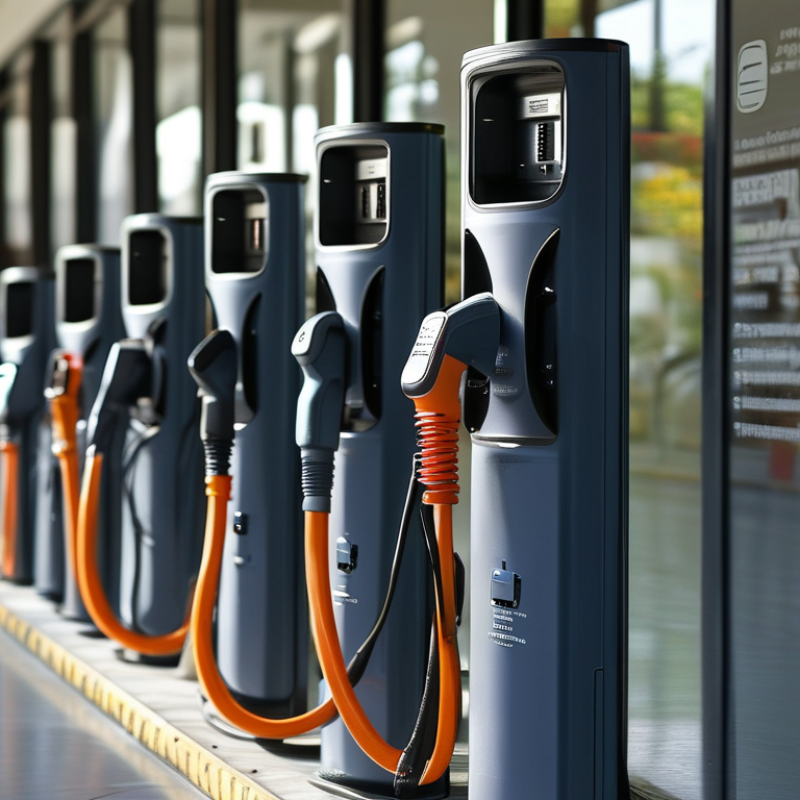
The electric vehicle (EV) charging market in China is expanding rapidly. As of 2023, there are over 1.5 million public charging points nationwide. This growth supports the increasing adoption of EVs, which saw sales rise by 40% in 2022, according to the China Passenger Car Association. The government promotes infrastructure improvement, contributing significantly to market expansion.
Despite this progress, challenges remain. Many users report concerns about charging station reliability and availability. A survey by JD Power indicated that 30% of EV owners experienced difficulties finding a functional charging point. Such issues highlight the need for better infrastructure planning and investment.
Tip: When choosing a charger, consider the installation location. Urban areas often have more stations than rural ones. Additionally, check user reviews on performance and reliability.
Another critical aspect is the compatibility of charging standards. Inconsistent charging protocols can hinder user experience. Data from the International Energy Agency shows that standardization is essential for global EV growth. Improvements in this area could ease consumer concerns and drive higher adoption rates.
Criteria for Evaluating AC EV Chargers
When evaluating AC EV chargers, several criteria play a crucial role. First, charging speed is essential. The average charging power can vary significantly. According to a recent report, chargers with at least 7 kW output are popular for home use. These chargers usually recharge an EV in a matter of hours. However, some users may require faster options, leading to a demand for higher capacity units.
Efficiency also matters. A charger’s energy conversion rate indicates how much energy is wasted during charging. An industry benchmark shows that an efficiency above 90% is ideal. This means lower electricity bills and less energy wasted. Moreover, safety features should be a priority. Übercharging protection and short-circuit prevention are critical to ensure user safety.
Another consideration is compatibility. Chargers need to support various EV models and standards. According to market analysis, over 35% of buyers prefer chargers that accommodate multiple vehicle types. This flexibility enhances convenience for users with different electric vehicles. Finally, user experience cannot be overlooked. Ease of installation and clear user interfaces are vital for customer satisfaction. As the market evolves, these criteria will continue shaping consumer preferences.
Top 10 AC EV Chargers in China for Global Buyers
| Model |
Power Output (kW) |
Connector Type |
Charging Efficiency (%) |
Price Range (USD) |
Warranty (Years) |
| Model A |
7.2 |
Type 2 |
95 |
400-600 |
3 |
| Model B |
11 |
CCS1 |
93 |
500-700 |
5 |
| Model C |
22 |
Type 2 |
96 |
800-1000 |
5 |
| Model D |
3.7 |
Type 1 |
92 |
300-500 |
2 |
| Model E |
7.4 |
CCS2 |
94 |
600-800 |
3 |
| Model F |
16 |
Type 2 |
97 |
700-900 |
4 |
| Model G |
11 |
Type 1 |
91 |
450-650 |
2 |
| Model H |
22 |
CCS1 |
95 |
900-1100 |
5 |
| Model I |
3.6 |
Type 2 |
90 |
250-400 |
1 |
| Model J |
16 |
CCS2 |
93 |
700-850 |
4 |
Top 10 AC EV Chargers: Features and Specifications
As electric vehicle (EV) adoption soars in China, the demand for efficient AC EV chargers has increased significantly. Industry data projected the market for AC chargers to grow by over 15% annually, reaching substantial figures by 2025. Buyers seek reliable chargers with diverse features, ranging from power output to smart connectivity.
Charging power typically ranges from 3.7 kW to 22 kW. This variability allows flexibility based on different user needs and vehicle capacities. Additionally, many chargers are equipped with features like anti-theft protection and real-time monitoring. These features enhance user experience and ensure safety during charging.
Tip: When selecting an EV charger, consider the installation environment. For instance, residential chargers work best in garages, while public chargers need a robust design. Pay attention to compatibility with various EV models. Not all chargers work with every vehicle. Ensuring compatibility can save time and future costs.
Despite advancements, challenges remain. Some chargers may have connectivity issues, creating complications in usage. Reports indicate that users experience delays in software updates. Addressing these factors is essential for improving overall customer satisfaction. Balancing technology and reliability can significantly enhance the EV charging experience in the long run.
Comparative Analysis of Charger Performance and Pricing
In recent years, China has emerged as a leading market for electric vehicle (EV) chargers. A comparative analysis of AC EV chargers reveals significant differences in performance and pricing. While many chargers boast rapid charging capabilities, some struggle with efficiency. It's crucial for global buyers to evaluate the real-world charging times versus advertised speeds.
Pricing is another key factor. Many chargers have competitive prices, yet cheaper options may compromise on durability and features. Buyers must weigh initial costs against long-term reliability. Not all chargers offer the same warranty periods, and this aspect can impact overall value. Potential issues in design and technology often surface, leading to performance inconsistency.
Another consideration is customer support. A reliable support system increases trust in a charger. Yet, not all manufacturers provide adequate post-purchase assistance. Some users report difficulties in obtaining help when issues arise. Such experiences highlight the importance of thorough research before purchasing.
Understanding these nuances can empower buyers to make informed decisions when selecting AC EV chargers in China.
Future Trends in EV Charging Technologies in China
The landscape of EV charging technologies in China is evolving rapidly. Innovations are transforming the way electric vehicles charge, making it faster and more efficient. One significant trend is the rise of ultra-fast charging stations. These stations can deliver a substantial amount of power in a short time, allowing drivers to recharge their vehicles in less than 30 minutes. This development boosts convenience for users on the go.
Battery swapping technology is also gaining traction. This method allows drivers to exchange depleted batteries for fully charged ones in just a few minutes. It offers a seamless experience for those who rely on electric vehicles daily. However, this technology faces challenges, such as standardization across different manufacturers. In addition, consumer acceptance is still in the early stages, indicating there’s room for improvement.
Tips: When considering an EV charger, think about your charging habits. Frequent long trips demand ultra-fast options. For urban users, home charging may suffice. Always check the compatibility of charging technology with your vehicle for a hassle-free experience. As these trends develop, staying informed will help you make better decisions in the evolving EV landscape.