Why Choose an AC Wall EV Charge Station for Your Electric Vehicle?
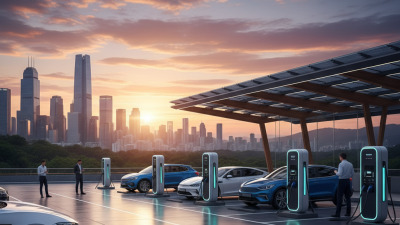
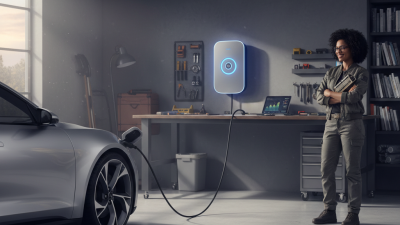
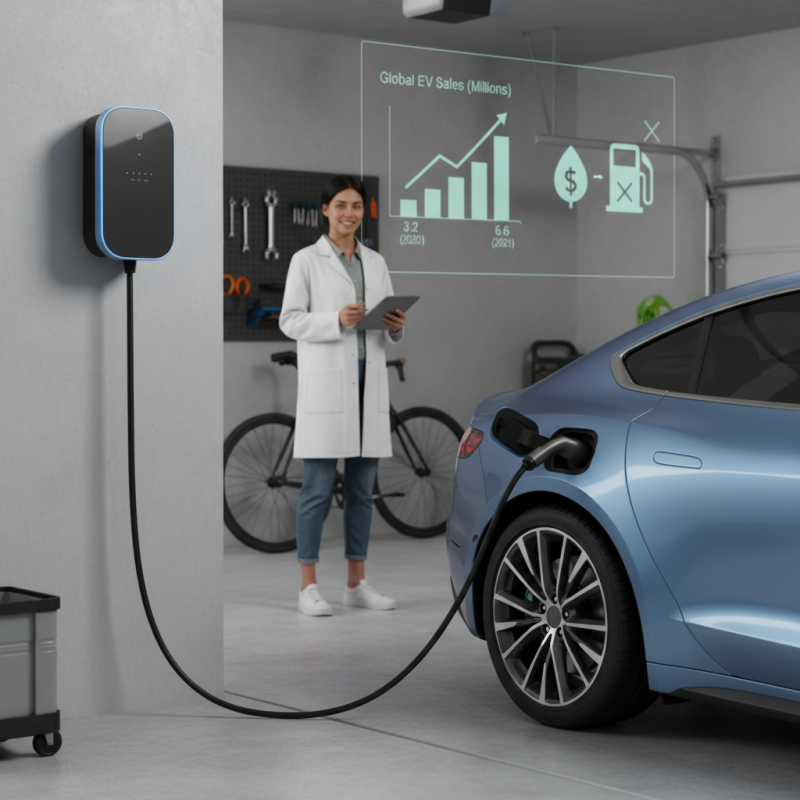
In recent years, electric vehicle (EV) adoption has surged, driven by a desire for sustainable transportation. Statistics show that global EV sales reached 6.6 million units in 2021, a 108% increase from the previous year. This growth emphasizes the need for reliable charging infrastructure. An AC Wall EV Charge Station offers a practical solution for home charging, providing convenience and efficiency.
Dr. Emily Parker, a leading expert in EV technology, states, "Installing an AC Wall EV Charge Station significantly enhances the user experience." This statement underscores the importance of having a dedicated charging option at home. Users benefit from faster charging times, which can be crucial in today’s fast-paced world. Additionally, these stations are compatible with most EV models, ensuring broad usability.
However, potential buyers must reflect on their specific needs. While initial costs of an AC Wall EV Charge Station may concern some, the long-term savings on fuel and maintenance often justify the investment. Moreover, ensuring that the station is installed correctly is vital for safety. Select a qualified installer to optimize the setup process. Balancing costs and benefits is key to making a well-informed decision.
Understanding the Importance of EV Charging Infrastructure Expansion
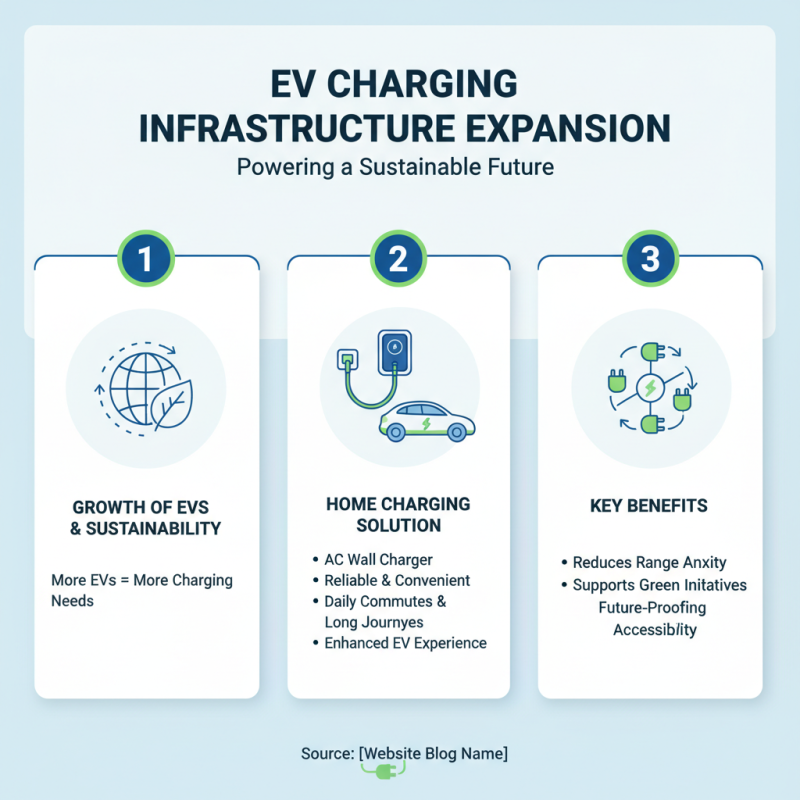
Expanding electric vehicle (EV) charging infrastructure is crucial for a sustainable future. As more people transition to electric vehicles, charging options become paramount. An AC wall EV charge station is a reliable solution for home charging. It offers convenience for daily commutes and supports longer journeys. Many homeowners find that installing such stations significantly enhances their EV experience.
However, the current charging infrastructure still faces challenges. In some areas, availability is limited, leaving EV owners frustrated. Local governments and private entities must collaborate to address these gaps. Investments in charging stations create a network that boosts overall EV adoption. Increased charging points not only serve current users but also entice potential buyers.
The importance of proper planning cannot be overstated. Communities need to assess their specific needs and geographical considerations. This tailored approach ensures that charging stations meet demand efficiently. Stakeholders should be open to feedback and continuously adapt their strategies. Ultimately, the foundation of a robust EV infrastructure lies in understanding the unique dynamics of each area.
Key Benefits of AC Wall EV Charge Stations for Homeowners
AC wall EV charge stations offer homeowners significant benefits. These chargers provide a convenient solution for electric vehicle owners. According to the U.S. Department of Energy, home charging accounts for approximately 80% of EV charging. This makes a reliable home charging station essential.
One of the key advantages is cost savings. Installing a Level 2 AC wall charger can reduce charging costs. The average cost per kilowatt-hour at home is much lower than at public charging stations. For instance, home charging can be 50-60% cheaper. This can lead to substantial savings over time for regular EV users.
Moreover, AC wall chargers generally have lower maintenance needs. Many models are designed for durability and ease of use. Their simple installation process adds to flexibility for homeowners. However, it’s crucial to consider home electric capacity. Some homes may require upgrades to handle the extra load. This aspect can sometimes be overlooked, leading to unexpected costs. Taking these factors into account is vital for a successful charging solution.
Why Choose an AC Wall EV Charge Station for Your Electric Vehicle? - Key Benefits of AC Wall EV Charge Stations for Homeowners
| Benefit |
Description |
Estimated Cost |
Installation Time |
| Convenience |
Charge your electric vehicle at home overnight without the need for public charging stations. |
$500 - $1,500 |
2 - 4 hours |
| Cost-Effective |
Lower electricity rates in off-peak hours can save money compared to public charging. |
N/A |
N/A |
| Faster Charging |
AC Wall chargers generally provide faster charging speeds than standard outlets. |
N/A |
N/A |
| Increased Property Value |
Installing an EV charger adds value to your home, making it more appealing to future buyers. |
N/A |
N/A |
| Environmental Impact |
Promote the use of renewable energy by charging your vehicle with solar or wind energy. |
N/A |
N/A |
Comparative Analysis of AC vs. DC Charging Stations for EVs
When choosing between AC and DC charging stations for electric vehicles (EVs), it's crucial to understand their differences.
AC wall EV chargers, for instance, are more commonly used in residential settings. According to the U.S. Department of Energy, about 85% of EV charging occurs at home, making AC chargers a practical choice for daily use. They typically deliver up to 7.2 kW, allowing for a full charge overnight.
On the other hand, DC fast chargers are more suitable for commercial or public charging locations. They can provide a significant boost in charging speed, delivering up to 350 kW. However, their installation costs and power requirements can be substantial, which might not be feasible for every location. Recent reports indicate that DC fast chargers account for only about 15% of public charging stations in the U.S., emphasizing that AC charging remains the backbone of everyday EV charging.
Tip: Consider your driving habits when selecting a charging system. If you mainly drive short distances, an AC wall charger is likely sufficient.
Another factor to keep in mind is cost. AC chargers usually have lower installation and maintenance expenses compared to DC options. However, for long road trips, having access to DC fast charging can save valuable time. Balancing convenience with costs is essential.
Tip: Review local incentives for EV charging installations. Financial support can sometimes make the decision between AC and DC charging more favorable.
Cost Effectiveness and Long-Term Savings of Using AC Charging Solutions
When considering an AC wall EV charge station, cost effectiveness and long-term savings emerge as key advantages. AC charging solutions are generally less expensive to install compared to DC fast chargers. According to the U.S. Department of Energy, the average cost of a Level 2 AC charging station installation is around $1,200 to $2,500. This is significantly lower than fast charging stations, which can cost upwards of $50,000.
In terms of long-term savings, using AC charging can reduce electricity bills. A study by the Electric Power Research Institute indicates that EV owners charging at home can save approximately $400 to $600 annually on fuel costs. Plus, when powered by renewable energy, these savings increase dramatically. However, it’s essential to recognize that the efficiency of charging stations varies. Users should assess their energy plans and local utility rates to maximize savings.
Moreover, while AC charging is slower, it caters effectively to overnight charging habits. Many users may overlook this benefit, focusing instead on rapid charging. The average EV owner drives 30 miles daily. Charging overnight on a low-rate plan is not only practical but also economically sensible. Evaluating these aspects is crucial for making informed decisions that align with both budget and lifestyle.
Cost Effectiveness of AC Wall EV Charging Solutions
As demonstrated in the chart above, AC Wall EV Charge Stations provide a significantly lower cost per full charge compared to other charging solutions. Over time, using AC wall charging solutions can lead to substantial savings for electric vehicle owners.
Industry Trends: Adoption Rates and Forecasts for EV Charging Installations
The growing adoption of electric vehicles (EVs) is reshaping the landscape of transportation. As more people opt for EVs, the need for efficient charging solutions rises. In recent years, the installation of EV charging stations has increased significantly. Industry forecasts show that this trend will continue, driven by environmental concerns and technological advancements in battery efficiency.
Data indicates that charging infrastructure is crucial for sustaining EV growth. Industry analysts predict a surge in installations in both residential and commercial areas. However, challenges remain. Some regions still struggle with limited access to charging stations. This may hinder progress, highlighting the need for investment and innovation to enhance accessibility.
Embracing advanced charging solutions, such as AC wall EV charge stations, presents an opportunity to address these challenges. These installations are often more user-friendly and adaptable. Despite their benefits, many households are unaware of their options. Education and outreach can help increase awareness. The road ahead may have obstacles, but the potential impact of improved charging infrastructure is undeniable.